What is the Difference Between Simultaneous and Consecutive Interpreting?

What is the Difference Between Simultaneous and Consecutive Interpreting?

Grasp the structural, technical, and scheduling differences to optimize your events.

How the difference simultaneous consecutive Impacts Meeting Flow and Logistics

Grasping the exact difference simultaneous consecutive is a fundamental step for international organizations and global companies hosting seminars in Senegal. These two interpreting modes compared differ on speed, technical wiring, and scheduling. In simultaneous interpreting, the speech is translated instantly with zero lag, requiring dedicated physical booths and a team of rotating linguists. In consecutive interpreting, the translation occurs after the speaker pauses, using professional note-taking techniques to render long speech segments without any special audio hardware. Finding a certified dakar conference interpreter depends on aligning your venue logistics with these operational criteria.

Analyzing the interpreting modes compared: Real-Time vs. Segmented Formats

To accurately evaluate the difference simultaneous consecutive, coordinators must look at the mechanical structure of each language flow.

Core technical features:
  • Simultaneous Translation: Audio streaming is continuous. The specialist translates in real-time while listening, keeping delays under 3 seconds. It is the gold standard for maintaining dynamic, bilingual debates.
  • Consecutive Translation: Audio streaming is segmented. The orator speaks for a few minutes, then pauses. The linguist, using an advanced note-taking system, renders the speech. It doubles the event duration but requires no complex hardware.

[PROMPT IMAGE : Clean infographic comparing simultaneous and consecutive interpreting side-by-side, detailing speed, audio systems, team size, and budget levels in corporate colors]

For a complete logistical study, review our primary guide on simultaneous vs consecutive interpretation. If real-time audio is your chosen strategy, secure our simultaneous interpretation in dakar experts.
Analyzing the interpreting modes compared: Real-Time vs. Segmented Formats

How to select a professional dakar conference interpreter based on physical venue layout

The physical and logistical difference between these two conference formats dictates your room layout and cabling.

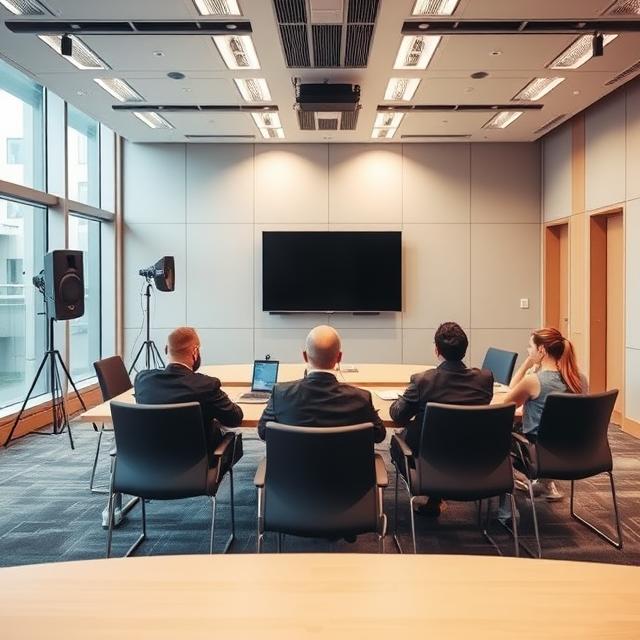
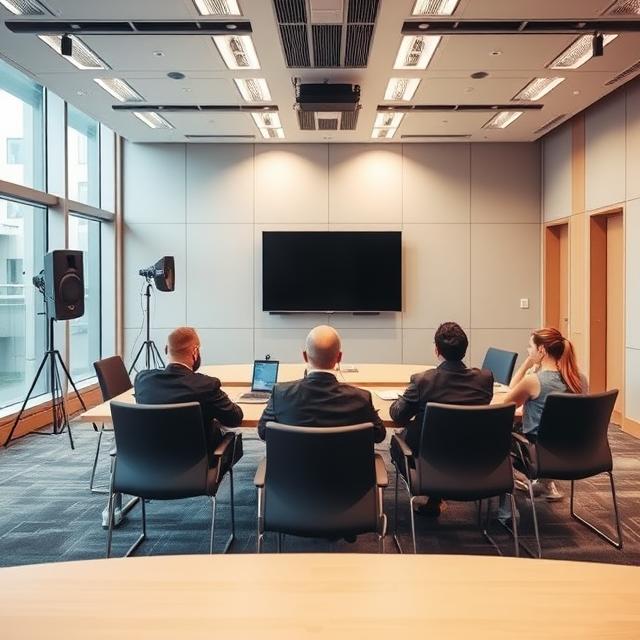
Simultaneous interpretation requires deploying soundproof translation booths compliant with ISO 4043 standards at the back of the conference hall. These booths must provide a clear view of the speakers. The interpreters receive feed from on-stage microphones and speak into dual-channel consoles, which relay translated audio signals to delegates' wireless receivers.

Consecutive interpretation requires zero specialized audio equipment. The linguist stands next to the presenter on stage, using the existing PA microphones. This setup provides high-level flexibility for site visits, court hearings, and confidential B2B negotiations.
How to select a professional dakar conference interpreter based on physical venue layout

Request Your Tailored Quote from Translab International

Ensure absolute linguistic success for your next regional West African event. We help you analyze the difference simultaneous consecutive of your agenda, review the interpreting modes compared, and book the most qualified dakar conference interpreter for your industry.