Translation vs Interpretation: What difference for your events?
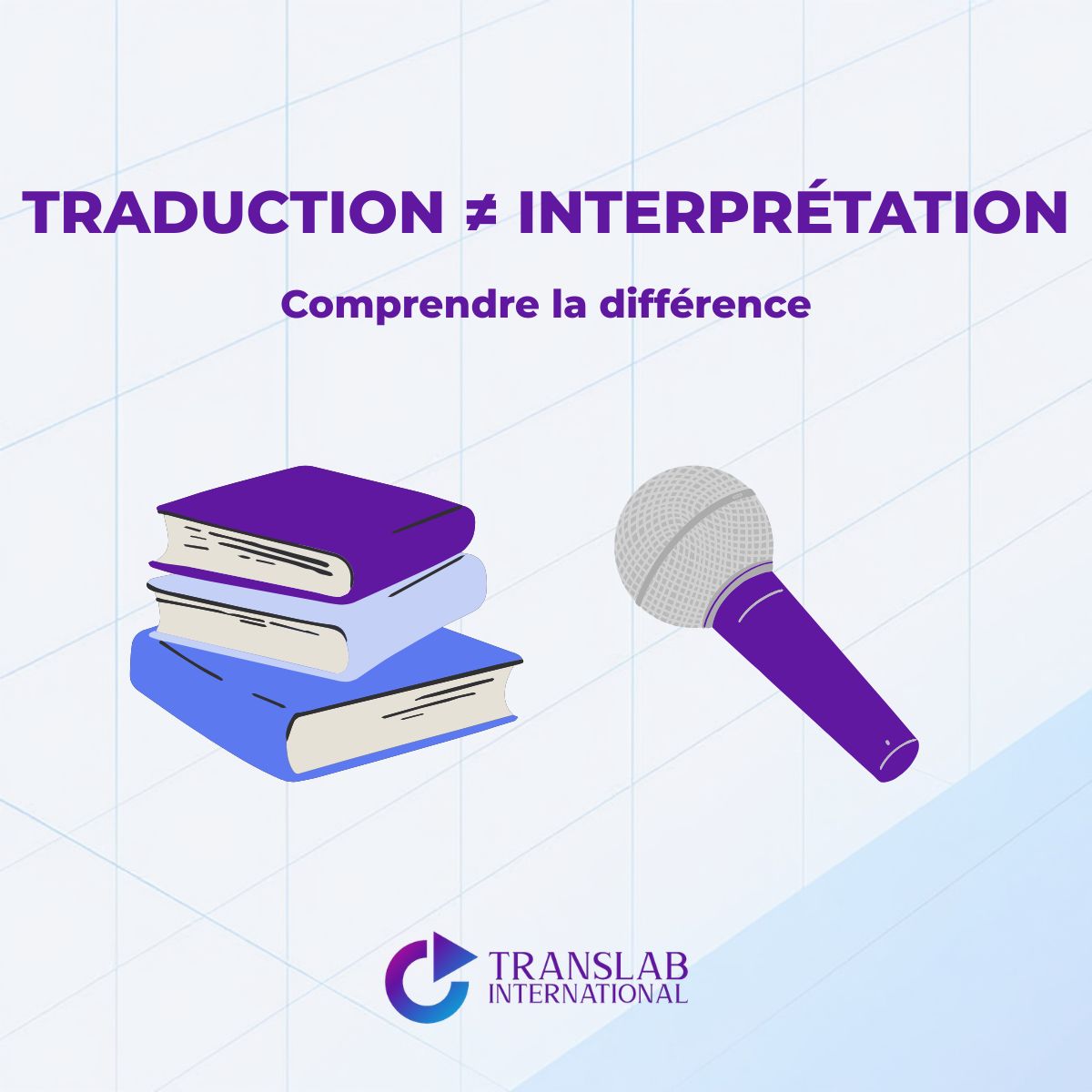
In everyday language, we often use 'translator' to refer to anyone moving from one language to another. However, in the professional world, the distinction between translation and interpretation is fundamental.
Written vs Oral
The simplest difference is the medium: 𝘁𝗿𝗮𝗻𝘀𝗹𝗮𝘁𝗶𝗼𝗻 deals with written documents (reports, contracts, websites), while 𝗶𝗻𝘁𝗲𝗿𝗽𝗿𝗲𝘁𝗮𝘁𝗶𝗼𝗻 deals with live speech.
Translation: the quest for written perfection
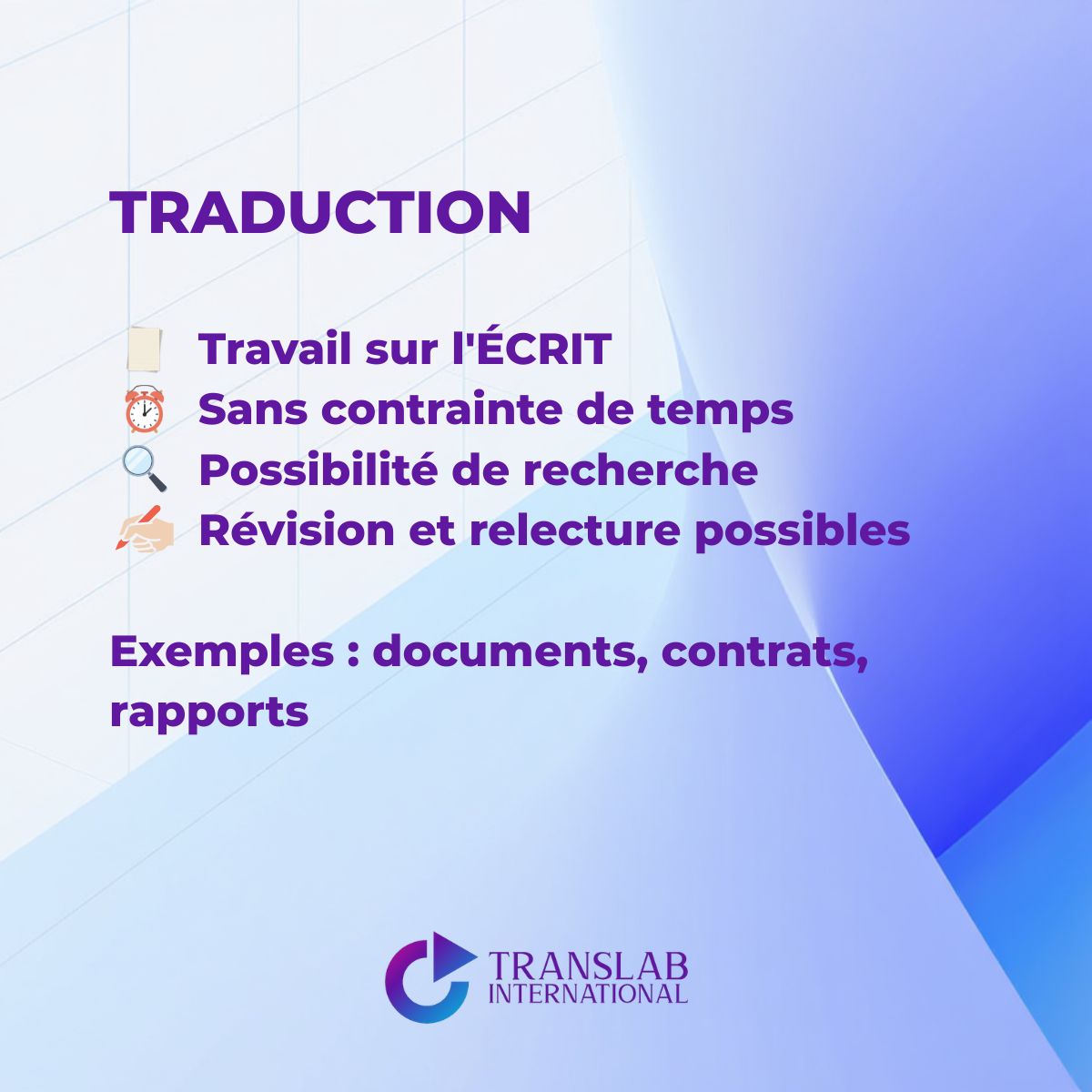
The translator works with time. They can consult dictionaries, conduct in-depth research, and proofread their text several times to achieve perfect stylistic and terminological precision.
Interpretation: the art of the instantaneous
The interpreter, on the other hand, has no room for error. In simultaneous mode, they must understand, analyze, and render the message in a matter of seconds. It is an intense cognitive exercise that requires absolute concentration.
Why is this distinction crucial for your events?
If you are organizing an international conference in Dakar, you don't need a translator, but a team of conference interpreters. They have the specific techniques (note-taking, lag, stress management) to ensure your event runs smoothly.
- Simultaneous interpretation: for conferences and panels.
- Consecutive interpretation: for official speeches or small meetings.
- Liaison interpretation: for field visits or B2B negotiations.
At Translab International, we help you choose the right expertise adapted to your actual needs to guarantee your message's impact.
🔗 [View the original post on LinkedIn](https://www.linkedin.com/feed/update/urn:li:activity:7425478429287792641)
Articles liés
Do you need professional interpretation services?
Contact our team of experienced bilingual interpreters to discuss your specific needs and get a personalized quote.